Energy surges, unexpected machine startups, and residual power releases injure over 120 workers daily in the U.S. alone. Most are preventable. At the heart of industrial safety lies a simple but powerful protocol: lockout tagout energy control procedures. These aren’t just regulatory checkboxes—they’re engineered barriers between workers and life-altering harm.
When a technician services a conveyor belt, cleans a hydraulic press, or replaces a motor, uncontrolled energy—electrical, pneumatic, chemical, thermal, or mechanical—can turn routine maintenance into catastrophe. Lockout tagout (LOTO) is the systematic method to isolate and secure energy sources, ensuring machines stay dead until work is complete.
This isn’t about compliance for compliance’s sake. It’s about building a culture where every worker knows how to neutralize risk before touching a bolt or wire.
Why Lockout Tagout Procedures Are Non-Negotiable
Every year, hundreds of workers are killed or severely injured during servicing operations. OSHA estimates that proper lockout tagout practices prevent 120 deaths and 50,000 injuries annually. The danger isn’t hypothetical.
Consider a case from a Midwest packaging plant: a maintenance worker entered a jammed sorting machine to clear debris. The machine had no formal LOTO procedure. A coworker, unaware of the hazard, restarted the system remotely. The result: catastrophic crush injuries.
The root cause? No standardized energy control process.
Lockout tagout isn’t just about locks and tags. It’s a documented, repeatable sequence that:
- Identifies all energy sources powering equipment
- Isolates those sources mechanically or electrically
- Releases or dissipates stored energy (springs, capacitors, hydraulics)
- Verifies zero energy state before work begins
Without this, even brief service tasks become high-risk operations.
Key Elements of an Effective LOTO Procedure
An effective lockout tagout energy control procedure isn’t generic. It’s specific, actionable, and tailored to each machine. Here’s what must be included:
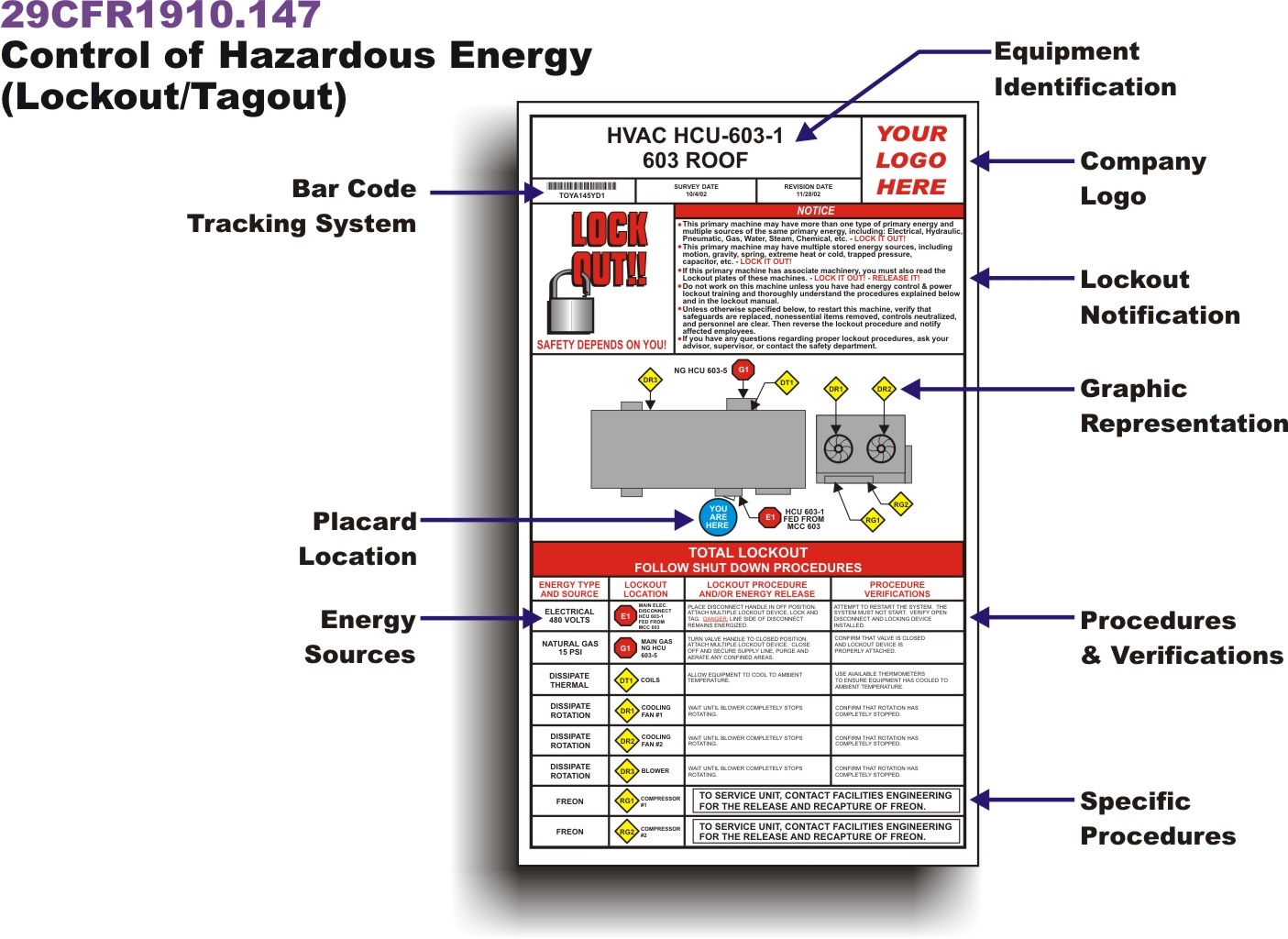
#### 1. Machine-Specific Documentation Each piece of equipment requires its own LOTO procedure. A boiler’s energy control steps differ vastly from a CNC lathe. Documentation should include:
- Equipment name and ID
- Type and magnitude of energy sources (e.g., 480V AC, 120 psi pneumatic lines)
- Location and method of isolation (disconnect switch, valve, breaker)
- Sequence for shutdown, isolation, and release of stored energy
Example: For a hydraulic shear, the procedure might include closing the main fluid valve, depressurizing lines via bleed ports, and securing the ram with a mechanical stop before applying a lock.
#### 2. Authorized vs. Affected Employees OSHA distinguishes between two roles:
- Authorized employees perform LOTO and service operations. They’re trained to identify energy sources and execute isolation.
- Affected employees operate or use the equipment but don’t perform maintenance. They must understand the purpose of LOTO and why they can’t bypass a lock or tag.
Misclassifying workers is a common compliance gap. A forklift operator who changes a tire isn’t just “affected”—they’re performing service and need full LOTO training.
#### 3. Energy Isolation Devices Not all disconnects are equal. Isolation must be positive—a physical break in the energy circuit. Examples include:
- Circuit lockout devices on breaker panels
- Ball valve lockouts for gas or fluid lines
- Plug lockouts for portable equipment
Tags alone are insufficient. They’re warnings, not barriers. A lock physically prevents re-energization.

#### 4. Verification of Zero Energy This is the most frequently skipped step—and the most dangerous. Workers must test the equipment after lockout to confirm it can’t start.
For electrical systems: use a voltage tester on the circuit. For mechanical systems: attempt to cycle the machine via control panel. For hydraulic systems: check pressure gauges for residual buildup.
If the machine can still operate, the lockout failed.
Common LOTO Mistakes That Undermine Safety
Even organizations with written procedures fall into traps that compromise protection.
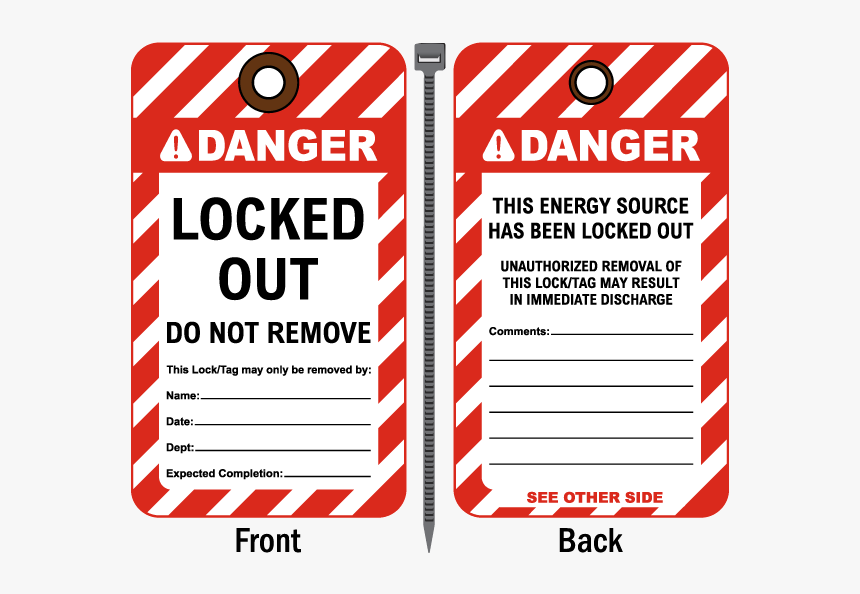
#### Using Tags Without Locks A tag says “Do Not Operate.” A lock enforces it. Tags can be ignored, lost, or removed accidentally. OSHA requires lockout unless tagout is justified with additional measures—like continuous supervision.
#### Group Lockout Confusion In team maintenance, a single lock isn’t enough. Each technician must apply their own lock to a group lockout device (like a hasp). The machine stays locked until every worker removes their lock.
A common error: one worker removes all locks after finishing early. This violates the “one lock, one key, one worker” principle.
#### Skipping Stored Energy Release Locking the power switch doesn’t eliminate risk. A flywheel can spin for minutes. A capacitor can hold a lethal charge. Stored energy must be drained, blocked, or safely dissipated.
Example: In a paper mill, a technician locked out a pulper but didn’t block the agitator. Residual motion caused entanglement during cleaning.
#### Incomplete Training Training isn’t a one-time event. OSHA requires re-certification every 12 months. Employees must demonstrate performance-based understanding—not just pass a quiz.
Workers should be able to explain why each step matters, not just recite steps.
Building a LOTO Procedure: Step-by-Step Workflow
Creating an effective energy control procedure requires precision. Follow this sequence:
- Conduct an Energy Audit
- Walk through each machine. Identify every energy source: main power, backups, gravity, springs, steam lines, etc.
- Map Isolation Points
- Pinpoint where each source can be disconnected. Install lockable disconnects if none exist.
- Write the Procedure
- Use clear, visual language. Include diagrams if needed. Format as a checklist:
- Shut off machine via control panel
- Open main disconnect switch
- Apply personal lock and tag
- Bleed hydraulic pressure via relief valve
- Confirm zero energy with tester
- Begin servicing
- Train and Certify
- Train all authorized and affected employees. Document training with sign-offs.
- Audit Annually
- Observe a live LOTO event. Verify compliance with the written procedure. Correct deviations immediately.
A chemical plant in Texas reduced LOTO violations by 76% within a year by implementing quarterly audits and visual procedure boards near high-risk equipment.
Equipment and Tools That Support LOTO Compliance
The right tools make procedures easier to follow and harder to bypass. Invest in:
| Tool | Purpose | Best Use Case |
|---|---|---|
| Circuit breaker lockouts | Secure electrical disconnects | Main power panels |
| Valve lockout devices | Prevent valve operation | Steam, gas, water lines |
| Group lockout hasps | Allow multiple locks on one point | Team maintenance tasks |
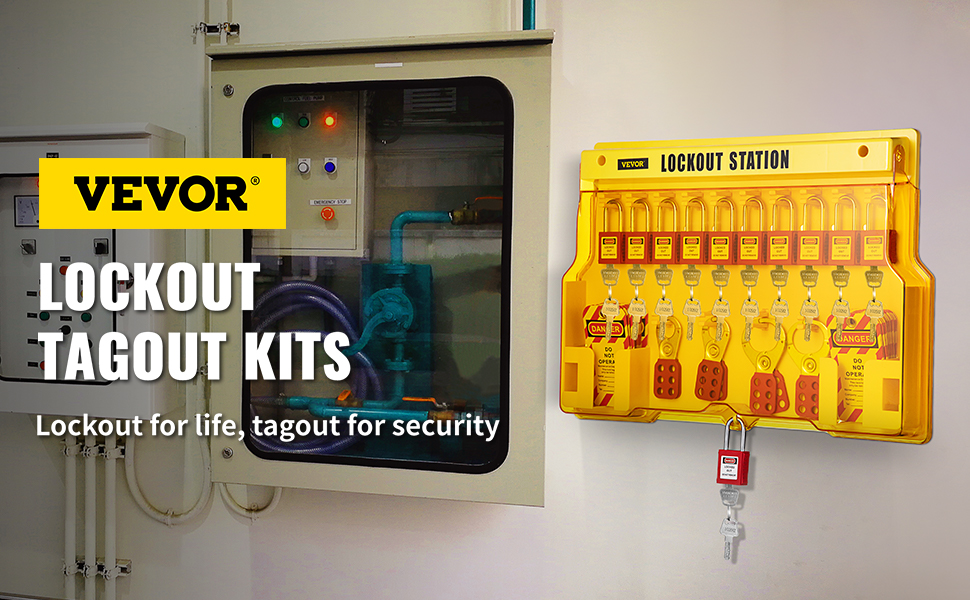
| Lockout stations | Centralize locks, tags, hasps | Department-level access |
| Energy isolation kits | Portable sets for field work | Mobile crews |

Brands like Brady, Grainger, and Master Lock offer modular systems. But tools are only as good as the culture behind them. A $20 lockout kit won’t help if workers bypass it to “save time.”
Real-World LOTO Applications Across Industries
#### Manufacturing Assembly lines use multiple energy sources. A robotic arm might have electrical, pneumatic, and servo-powered motion. LOTO procedures must address all three. One auto plant uses color-coded locks: red for electrical, yellow for pneumatic, blue for mechanical.
#### Warehousing Conveyor systems pose significant risk. A LOTO procedure here includes stopping the line, locking main drives, and securing tension rollers. Tags should indicate “Maintenance in Progress—Do Not Restart.”
#### Food Processing High-pressure washdowns increase electrocution risk. LOTO must include disconnecting not just machinery but cleaning systems. Residual water in lines can conduct energy.
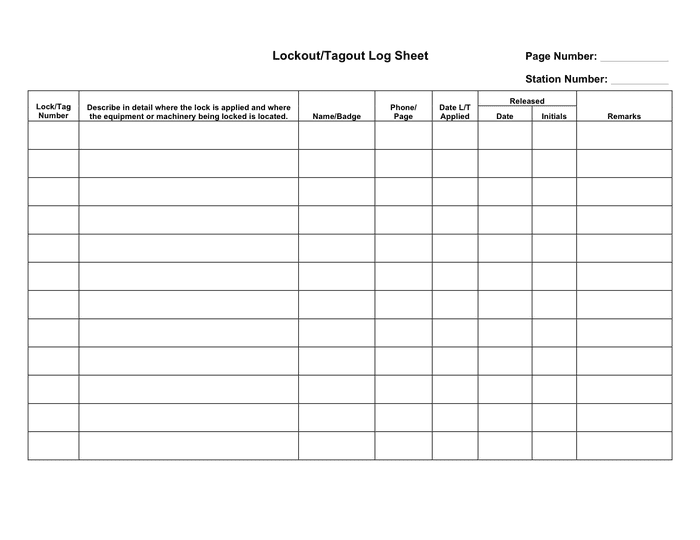
#### Healthcare Even hospitals use LOTO—for MRI machines, sterilizers, and HVAC systems. A medical center in Ohio implemented RFID-enabled locks that log who applied them and when, enhancing accountability.
The Cost of Non-Compliance: Risk vs. Investment
Fines are just one consequence. OSHA penalties for LOTO violations can exceed $15,000 per instance. But the real cost is human.
In one case, a company paid a $78,000 fine after a worker lost an arm to an unguarded, un-locked machine. The machine had no written LOTO procedure. The incident halted production for three weeks.
Compare that to the cost of compliance: a lockout program for 50 machines, including training and equipment, averages $8,000–$12,000. That’s less than one fine.
But beyond cost, consider trust. Workers who see consistent LOTO enforcement feel safer, stay longer, and perform better.
Make LOTO Part of Your Safety DNA
Lockout tagout energy control procedures aren’t a regulatory burden—they’re a commitment to human safety. The best programs don’t just follow OSHA standards; they exceed them.
Start by auditing your highest-risk machines. Build machine-specific procedures. Train rigorously. Audit annually. Empower workers to stop work if LOTO isn’t followed.
Safety isn’t a policy. It’s a practice. And in the world of industrial operations, lockout tagout is the most vital practice of all.
Improve your LOTO program today—before the next near-miss becomes a tragedy.
FAQ
What is the difference between lockout and tagout? Lockout uses a physical lock to prevent equipment startup. Tagout uses a warning tag. OSHA requires lockout unless tagout includes additional safety measures.
Who is responsible for implementing LOTO procedures? Employers must develop and enforce procedures. Authorized employees perform the lockout. Supervisors ensure compliance.
Can multiple people use the same lock during LOTO? No. Each authorized worker must apply their own personal lock. Group lockout devices allow multiple locks on one isolation point.
Do LOTO procedures apply to corded equipment? Yes. Portable tools plugged into outlets require plug lockouts. The plug is the energy isolation point.
What happens if a worker loses their lock key? The lock must be removed by a supervisor using a documented override process, such as bolt cutters. The incident should be reviewed to prevent recurrence.
Is LOTO required for routine production tasks? Only if the task involves minor tool changes or belt adjustments that are part of regular production. Any maintenance, cleaning, or repair that exposes workers to hazardous energy requires LOTO.
How often should LOTO procedures be reviewed? Annually, or whenever equipment changes, processes evolve, or an incident occurs.
FAQ
What should you look for in Lockout Tagout Energy Control Procedures That Save Lives? Focus on relevance, practical value, and how well the solution matches real user intent.
Is Lockout Tagout Energy Control Procedures That Save Lives suitable for beginners? That depends on the workflow, but a clear step-by-step approach usually makes it easier to start.
How do you compare options around Lockout Tagout Energy Control Procedures That Save Lives? Compare features, trust signals, limitations, pricing, and ease of implementation.
What mistakes should you avoid? Avoid generic choices, weak validation, and decisions based only on marketing claims.
What is the next best step? Shortlist the most relevant options, validate them quickly, and refine from real-world results.