Every year, hundreds of workers suffer serious injuries—or worse—due to accidental machine startup during maintenance. The root cause? Inadequate control of hazardous energy. In electrical systems, this risk is amplified. A single misstep can lead to arc flashes, electrocution, or fires. That's where a properly equipped electrical lockout tagout kit (LOTO kit) becomes non-negotiable.
A lockout tagout kit for electrical systems isn't just a toolbox with random tags and locks. It’s a purpose-built safety system designed to isolate energy sources, prevent unauthorized re-energization, and communicate clear warnings. The right kit saves lives, ensures OSHA compliance, and reduces downtime by streamlining maintenance workflows.
But not all LOTO kits are created equal. Choosing the wrong one—or worse, improvising—can create a false sense of security. This guide breaks down what to look for in an electrical lockout tagout kit, common pitfalls, and real-world applications that matter.
Understanding Electrical Lockout Tagout (LOTO) Requirements
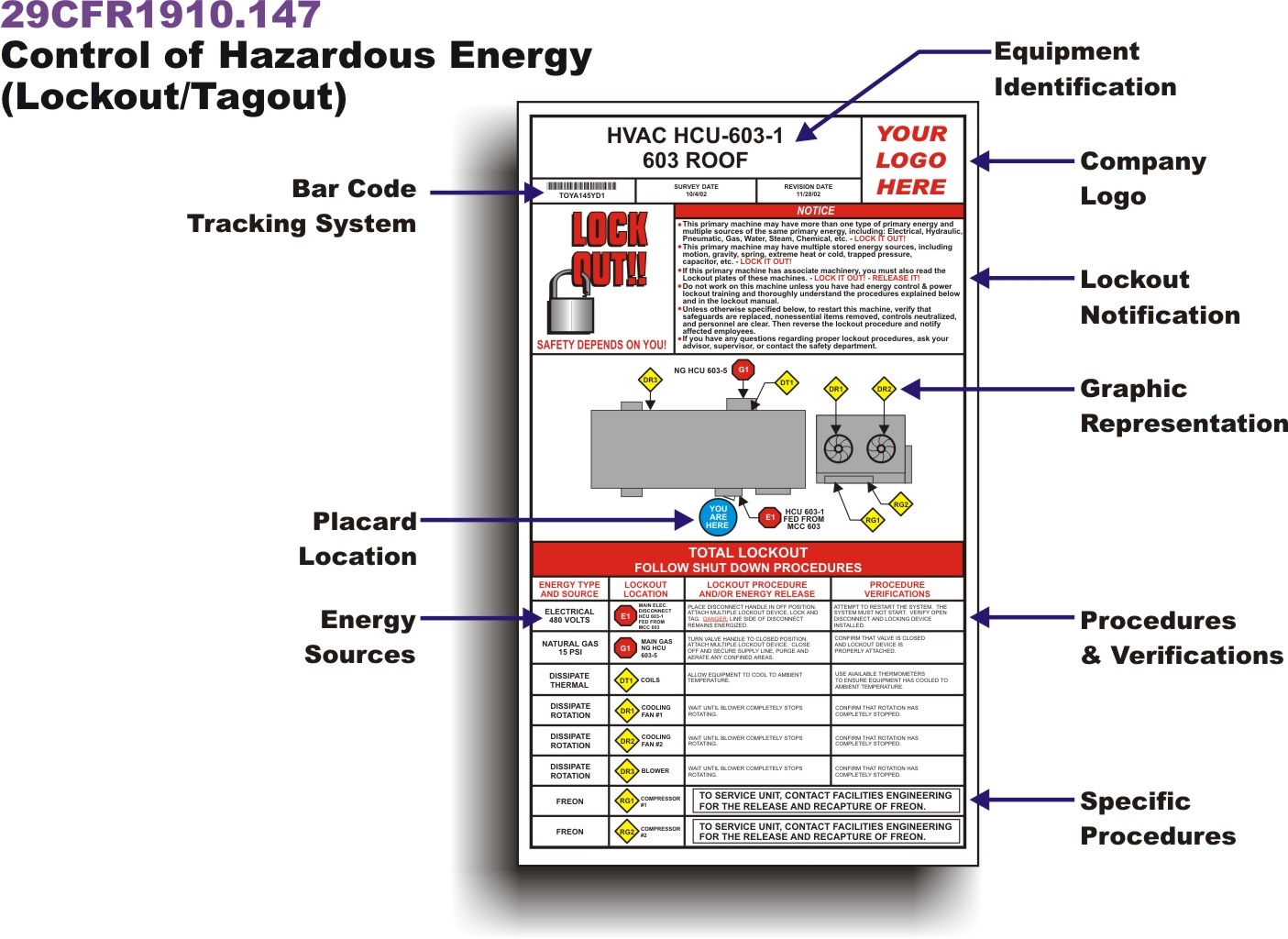
OSHA 29 CFR 1910.147 sets the standard for the control of hazardous energy. While it applies broadly, electrical systems demand specific attention due to the high risks involved. The regulation requires:
- A written energy control program
- Authorized employee training
- Periodic inspections
- Use of lockout devices that are durable, standardized, and identifiable
For electrical applications, this means your LOTO kit must address unique challenges: high voltage exposure, arc flash risks, and diverse disconnect types (breakers, fuses, switches).
A common mistake? Using mechanical-only LOTO kits on electrical panels. These often lack insulated tools, voltage-rated locks, or clear electrical hazard tags. An electrical-specific LOTO kit includes components rated for electrical environments—something compliance auditors and safety officers check closely.
Must-Have Components of an Electrical LOTO Kit
A basic lockout kit might include a few locks and tags. But for electrical systems, completeness is critical. Here’s what a comprehensive electrical LOTO kit should contain:
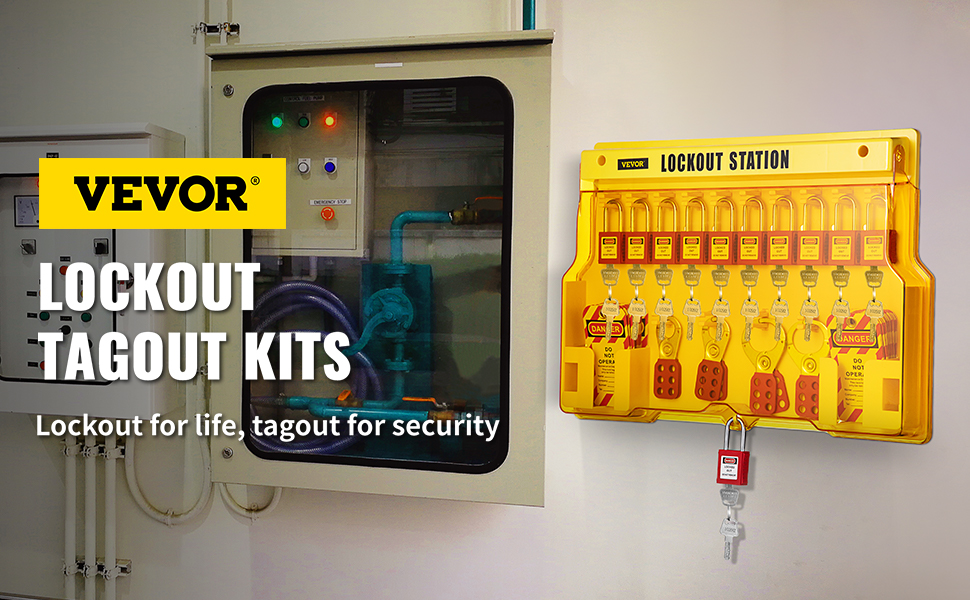
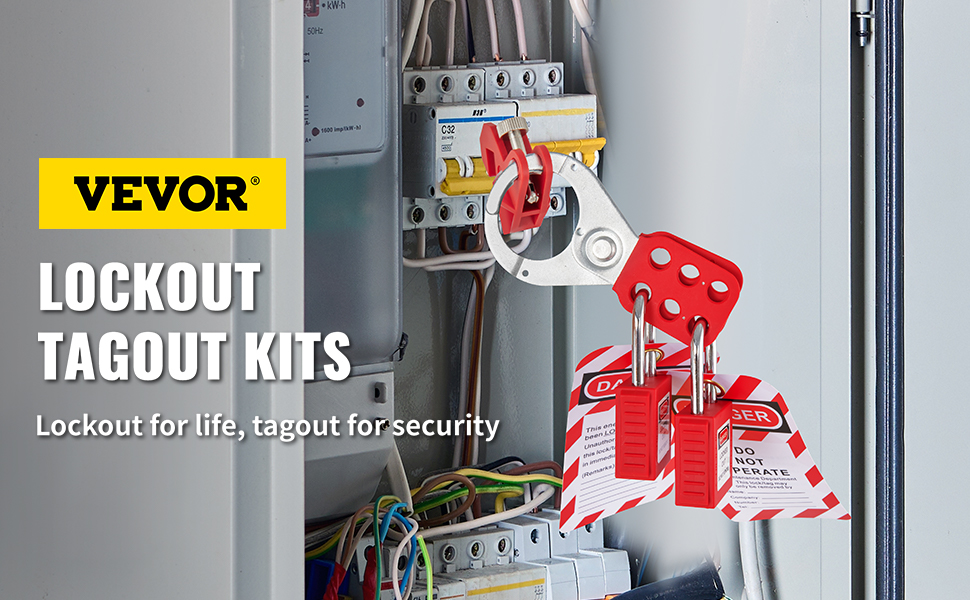
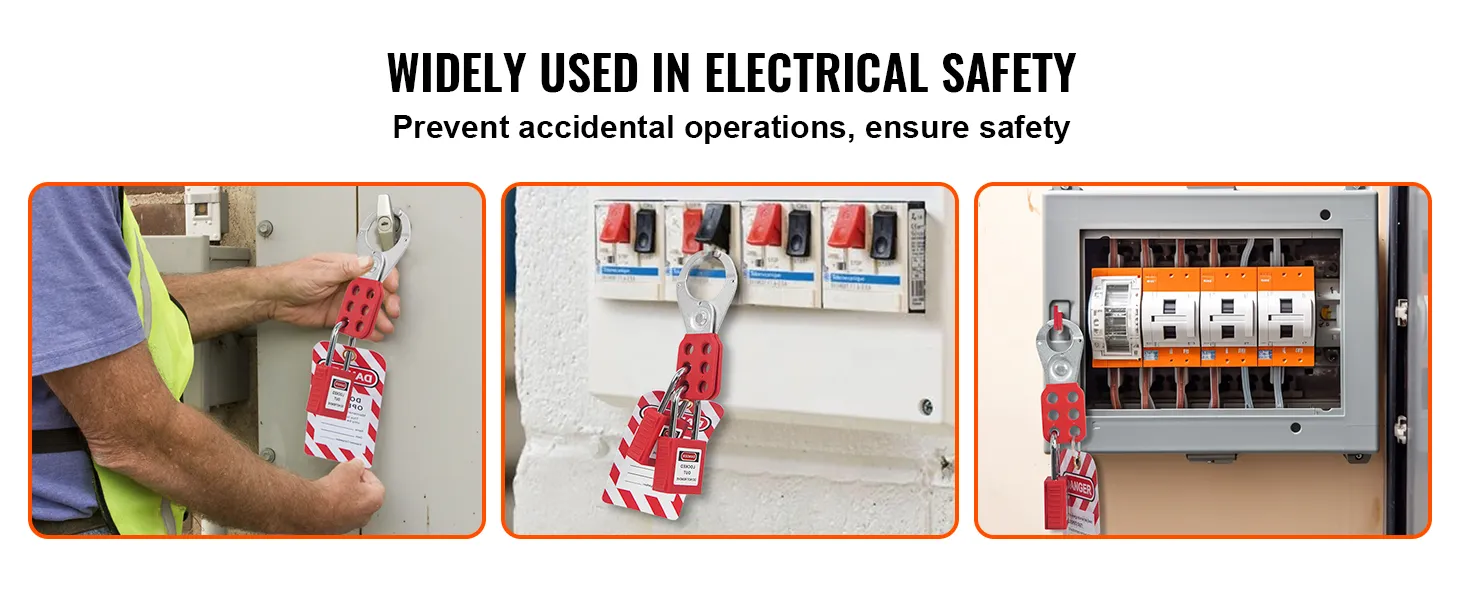
1. Lockout Hasps and Attachments Used to secure breaker handles, disconnect switches, or fuse boxes. They allow multiple workers to apply personal locks during group maintenance.
Example: When servicing a 480V motor control center, a hasp can be placed on the main disconnect, letting each technician attach their own lock.
2. Insulated Lockout Devices Standard padlocks aren’t enough. Electrical kits should include insulated cable lockouts, breaker lockouts, and plug lockouts rated for electrical use.
Why it matters: Non-insulated tools can conduct electricity. Insulated models (tested to 1000V) protect against accidental contact.
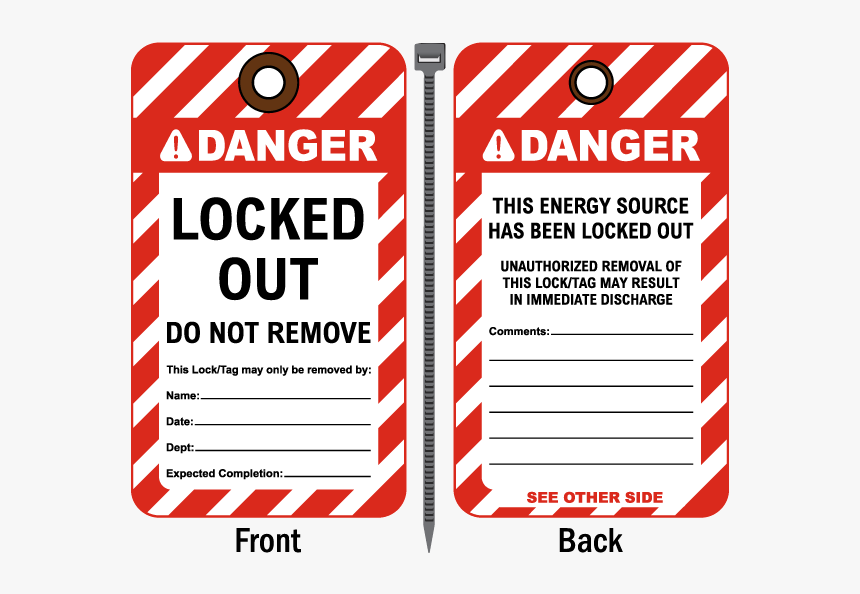
3. High-Visibility Warning Tags Tags must be tamper-resistant and include fields for:
- Employee name
- Department
- Date and time
- Reason for lockout
Real use case: A tag reading “Do Not Energize – Motor Repair in Progress – John, Maintenance, 9:30 AM” prevents miscommunication during shift changes.
4. Personal Safety Locks Each authorized employee needs their own safety padlock—preferably keyed differently or master-keyed for emergencies. Color-coding by department (red for maintenance, blue for operations) improves visibility.
5. Voltage Testers and Verification Tools A lock is only as good as the verification behind it. Including a non-contact voltage tester or multimeter in the kit ensures workers confirm zero energy before starting work.
Common mistake: Skipping verification. Lockout without testing is blind compliance.
6. Storage and Organization A durable, portable case—ideally conductive-free and water-resistant—keeps components organized and accessible. Wall-mounted kits near electrical rooms improve response time.
Top 5 Electrical Lockout Tagout Kit Options
Not all kits meet the needs of industrial or commercial electrical work. Here are five trusted, widely used options with electrical-specific features:
| Kit Name | Key Features | Best For |
|---|---|---|
| Grace Industries ELOK-20 | 20-piece kit with insulated breaker lockouts, voltage tester, and heavy-duty case | Industrial plants with high-voltage systems |
| Seton 95498-KIT | Includes cable lockouts, hasps, tags, and 10 safety padlocks | Facilities needing multi-user lockout |
| Safeguard LOTO-EL25 | Full electrical kit with plug lockouts, arc-flash tags, and insulated tools | Data centers and electrical rooms |
| Master Lock 1845DAT | Durable steel box with customizable components and digital tag printer | Large teams requiring standardized tagging |
| Bolt-On Tools Electrical LOTO Kit | Modular design, includes circuit breaker locks and voltage verification tools | Maintenance teams with diverse equipment |
Workflow tip: Audit your electrical points (disconnects, panels, outlets) and map kit contents to match. A 20-breaker panel may need more lockouts than a small facility.
Common Mistakes in Using Electrical LOTO Kits
Even with a high-quality kit, human error undermines safety. These recurring issues compromise protection:
1. One Lock, Multiple Workers Only one lock is applied during group lockout. If another worker arrives late, they’re forced to work unprotected.
Fix: Use a lockout hasp so each technician can apply their personal lock.
2. Tag-Only Procedures Tags alone aren’t sufficient under OSHA. Without a physical lock preventing operation, the system isn’t truly locked out.
Exception: Tagout-only is allowed if the energy isolation device can’t be locked—only with additional safety measures.
3. Reusing Tags or Faded Labels Worn or reused tags reduce credibility. A faded “Do Not Start” tag might be ignored.
Best practice: Use non-reversible, weather-resistant tags and retire them after single use in high-risk zones.
4. No Verification Step Workers assume power is off after locking. But control circuits or backup power can still energize parts.
Critical step: Always test before touch using a functioning voltage tester.
5. Poor Kit Accessibility Storing the LOTO kit in a distant supply room means delays—and corner-cutting.
Solution: Place kits within 50 feet of electrical panels or in lockers assigned to maintenance teams.
When a Standard Kit Isn’t Enough
Some environments demand more than a basic LOTO setup. Consider these upgrades:
- Arc-Flash LOTO Kits: Include arc-rated gloves, face shields, and flash hazard tags. Required under NFPA 70E in high-risk zones.
- Custom Kits: Tailored for specific equipment, such as switchgear or VFDs, with pre-labeled tags and dedicated lockouts.
- Smart LOTO Systems: Digital versions with QR codes, mobile verification, and audit trails. Ideal for regulated industries.
Limitation: Smart systems offer traceability but can’t replace physical locks. They’re supplements, not replacements.
How to Implement a LOTO Program Around Your Kit
A kit is just one part of a full energy control program. To maximize effectiveness:
- Conduct an energy audit: Map all electrical isolation points.
- Develop written procedures: Detail steps for each machine or panel.
- Train authorized employees: Focus on real equipment, not just theory.
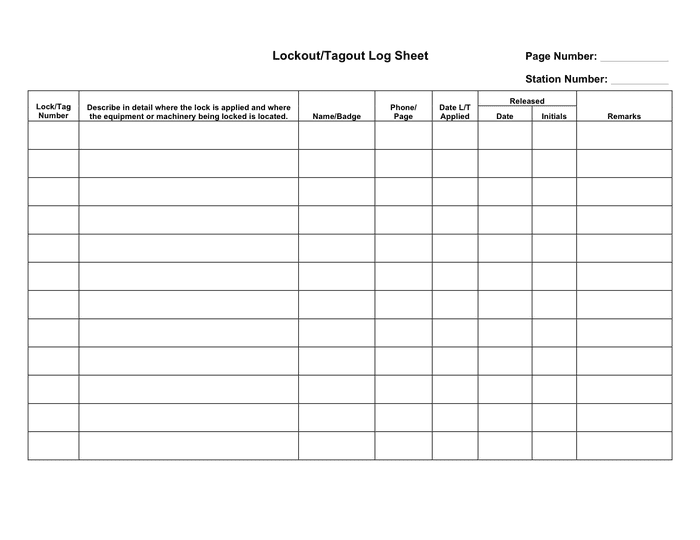
- Perform annual inspections: Watch employees perform lockout and verify documentation.
- Review after incidents: Update procedures if a near-miss occurs.
Pro tip: Run a quarterly “LOTO drill” where a simulated repair is performed from start to finish. Identify gaps in tools or training.
Final Thoughts: Your Kit Should Match Your Risk
An electrical lockout tagout kit isn’t a one-size-fits-all purchase. It’s a strategic safety investment. The best kits are tailored to your facility’s electrical layout, workforce size, and risk level.
Don’t settle for a generic box of locks and tags. Ensure your kit includes insulated components, verification tools, and enough redundancy for group work. Train your team not just to use it—but to trust it.
When an electrician reaches for their lockout kit, they shouldn’t wonder if it’s sufficient. They should know—because every component was chosen with their safety in mind.
Equip wisely. Lock out completely. Stay powered down until the job is done.
Frequently Asked Questions
What is the difference between lockout and tagout? Lockout uses physical devices (locks, hasps) to prevent energy release. Tagout uses warning tags. OSHA requires lockout whenever possible; tagout alone is only allowed with extra safety measures.
Can I use any padlock for electrical LOTO? No. Use safety padlocks specifically designed for LOTO—ideally insulated or non-conductive, with unique keys and employee identification.
How many locks can go on a single hasp? As many as needed—one per authorized worker. Standard hasps accommodate 6–10 locks.
Are LOTO kits required by OSHA? OSHA requires energy control procedures and appropriate lockout devices. A dedicated LOTO kit is the most practical way to comply.
Do I need a separate kit for electrical systems? Yes. Electrical environments require insulated tools, voltage-rated devices, and specific tags to address arc flash and shock risks.
Can LOTO kits be customized? Absolutely. Many suppliers offer custom kits based on your equipment types, number of users, and facility layout.
How often should LOTO kits be inspected? Inspect before each use. Conduct a formal kit audit quarterly to check for missing, damaged, or expired components.
FAQ
What should you look for in What to Look for in an Electrical Lockout Tagout Kit? Focus on relevance, practical value, and how well the solution matches real user intent.
Is What to Look for in an Electrical Lockout Tagout Kit suitable for beginners? That depends on the workflow, but a clear step-by-step approach usually makes it easier to start.
How do you compare options around What to Look for in an Electrical Lockout Tagout Kit? Compare features, trust signals, limitations, pricing, and ease of implementation.
What mistakes should you avoid? Avoid generic choices, weak validation, and decisions based only on marketing claims.
What is the next best step? Shortlist the most relevant options, validate them quickly, and refine from real-world results.