Industrial accidents don’t always make headlines, but they happen in silence—during maintenance, in dimly lit rooms, or when a machine unexpectedly powers on. One of the most effective ways to stop these incidents before they start is through a lockout tagout system. It’s not flashy technology or a complex algorithm. It’s a proven, standardized procedure that protects workers from hazardous energy during servicing and repair.
So, what is lockout tagout system, really? At its core, it's a safety protocol designed to isolate energy sources and prevent the accidental startup of machinery. While it sounds simple, the details matter. Missteps can cost limbs—or lives. This guide breaks down exactly how LOTO works, why it's non-negotiable in regulated industries, and the real-world scenarios where it makes all the difference.
The Core Purpose of a Lockout Tagout System
A lockout tagout system exists to control hazardous energy. That energy can come from electricity, hydraulics, pneumatics, chemical reactions, gravity, or even stored mechanical force. When equipment needs maintenance, repair, or cleaning, residual energy can be just as dangerous as active operation.
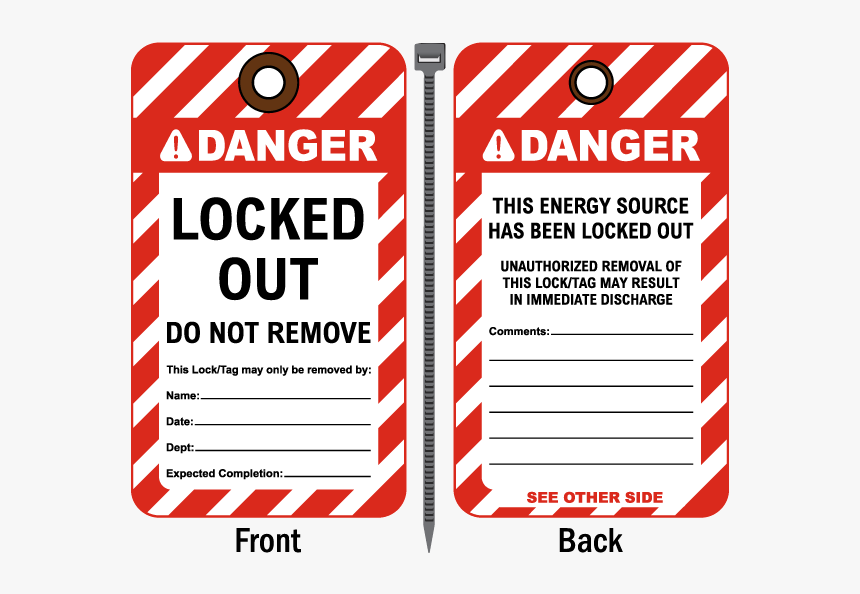
The system ensures that machines are completely shut off and cannot be restarted until maintenance is complete. It combines physical locks and visual tags to enforce safety. The lock prevents operation; the tag communicates why it’s locked and who is responsible.
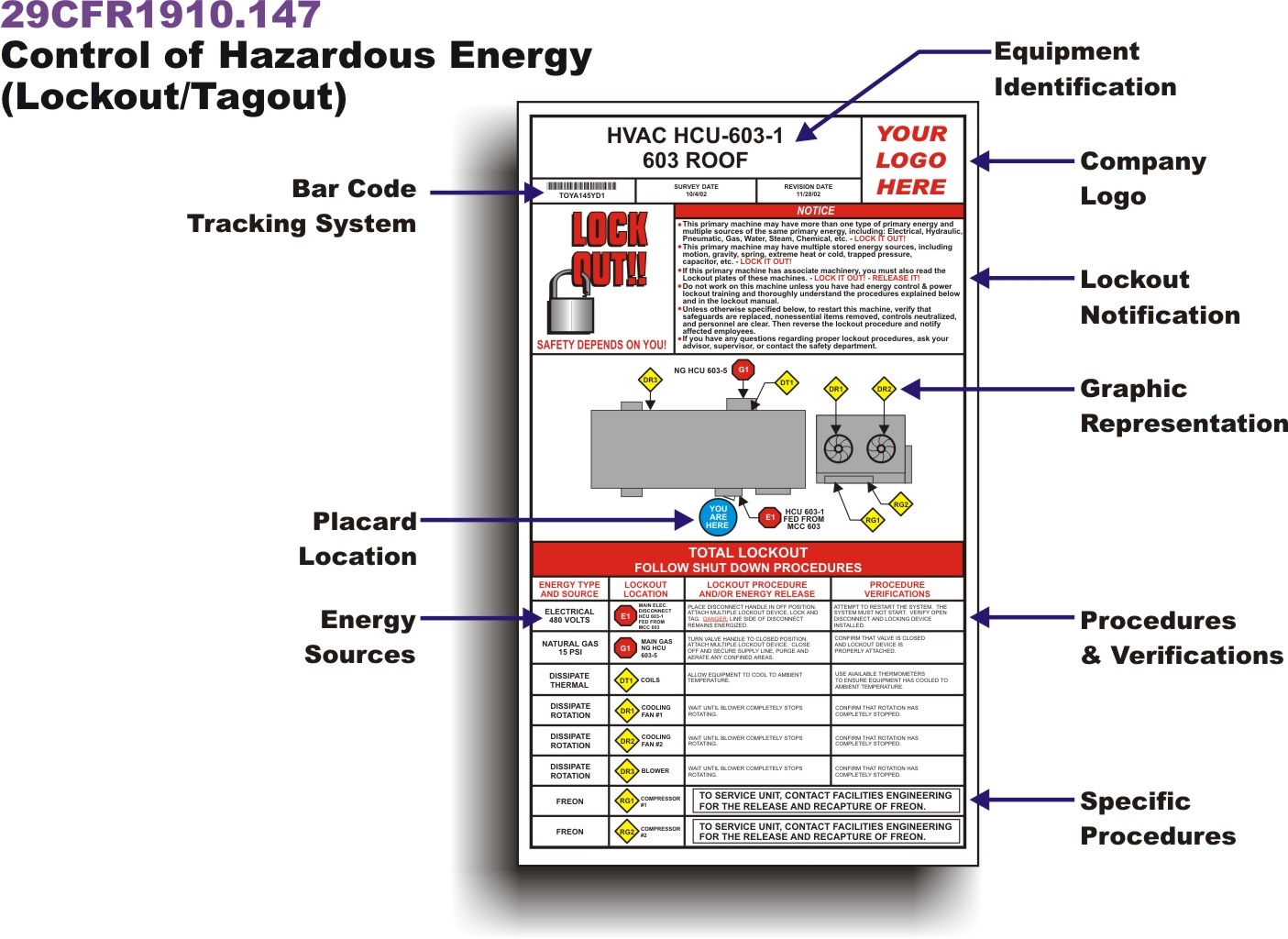
Without LOTO, workers risk exposure to sudden movements, electrocution, or explosions. Consider a conveyor belt that appears off but still has tension in its drive system. Or a press machine with hydraulic pressure stored in lines. These hidden dangers are why OSHA mandates lockout tagout in general industry under 29 CFR 1910.147.
How Does a Lockout Tagout System Work?
The LOTO process follows a strict sequence. It’s not enough to flip a switch and hang a sign. Every step must be documented, followed, and verified.
#### 1. Preparation Before any work begins, the authorized employee identifies the type and magnitude of energy involved. They determine the isolation points—such as circuit breakers, valves, or disconnects—and gather the proper lockout devices.
#### 2. Shutdown The machine is shut down using normal stopping procedures. This means pressing stop buttons, closing valves, or powering down through standard controls.
#### 3. Isolation Energy-isolating devices are engaged. These could be disconnect switches, block valves, or circuit breakers. This step physically breaks the energy flow.
#### 4. Application of Locks and Tags Each energy source is secured with a lock that only the individual worker can remove. A tag is attached, stating the worker’s name, date, reason for lockout, and contact information. This is personal—not shared.
#### 5. Release of Stored Energy Residual energy must be safely dissipated. This includes bleeding hydraulic lines, grounding capacitors, or blocking elevated parts held by gravity.

#### 6. Verification The final and most critical step: verifying zero energy. The worker attempts to start the machine (using normal controls) to confirm it won’t operate. Afterward, the control is returned to the off position.
Only after all these steps can maintenance begin.
Real-World Use Cases of Lockout Tagout
LOTO isn’t theoretical. It’s applied daily in industries where machinery poses serious risks.
Manufacturing Plant Maintenance A technician needs to replace a worn gear in a stamping press. Without LOTO, someone could activate the control panel while hands are inside. By locking the main power disconnect and tagging it, the technician ensures no one can energize the system during the repair.
HVAC System Repair An HVAC technician services a rooftop unit. The system is electrically powered and has refrigerant under pressure. Locking out the electrical panel and tagging the refrigerant valve prevents accidental restart and exposure to harmful gases.
Chemical Processing Facility A valve needs replacement on a line carrying volatile chemicals. The line is isolated, depressurized, and flushed. Locks are applied to both the inlet and outlet valves, and tags indicate ongoing work. This prevents a catastrophic release during servicing.
These examples show that LOTO isn’t just about electricity—it’s about controlling all forms of hazardous energy across diverse environments.
Common Mistakes That Break LOTO Safety
Even with procedures in place, human error undermines LOTO effectiveness.
- Using group locks incorrectly: When multiple workers are involved, each must apply their own lock. A single lock used by a team violates personal accountability.
- Skipping verification: Assuming a machine is off without testing creates deadly complacency.
- Tag-only procedures: Tags alone are not sufficient. Without a lock, someone can remove the tag and restart the equipment.
- Using master or override keys: These defeat the purpose. Locks should only be removable by the person who applied them.
- Poor training: Authorized employees must understand energy types, isolation methods, and emergency procedures. Untrained workers bypass steps they don’t understand.
One of the most dangerous shortcuts is “just quickly” clearing a jam without locking out. In 2022, OSHA cited a food processing plant after an employee lost three fingers clearing a conveyor blockage—no LOTO was used. The fix took seconds; the injury was permanent.
Key Components of an Effective LOTO Program
A lockout tagout system isn’t just about hardware. It’s a full safety program backed by policy, training, and documentation.
#### Written Energy Control Procedures Every machine with hazardous energy must have a documented LOTO procedure. These documents specify shutdown steps, isolation points, and verification methods.

#### Authorized vs. Affected Employees - Authorized employees perform maintenance and apply locks. - Affected employees operate or use the equipment but don’t service it. They must understand LOTO’s purpose and never attempt to remove a lock or override a tag.
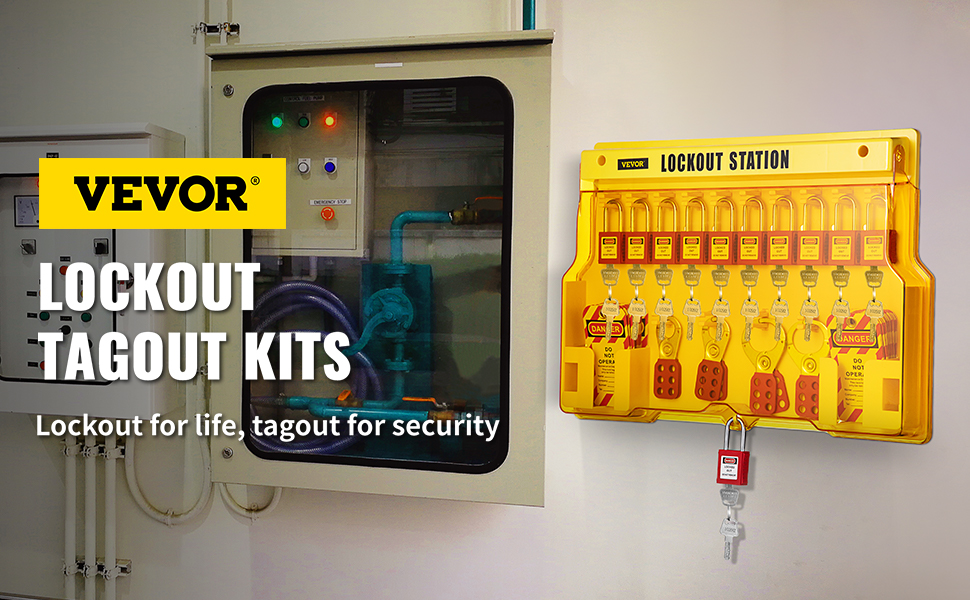
#### Lockout Devices These must be standardized, durable, and identifiable. Common types include: - Padlocks with unique keys - Valve lockouts - Circuit breaker locks - Plug lockouts - Hasp devices for group lockout
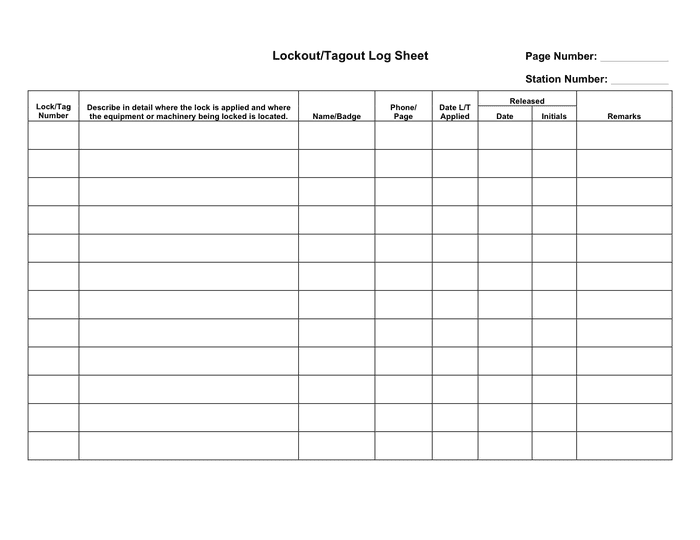
#### Periodic Inspections OSHA requires annual audits of LOTO procedures. A trained inspector observes a lockout in action, checks documentation, and verifies compliance.
#### Training and Retraining Initial training is mandatory. Retraining happens when procedures change, roles shift, or performance shows deficiencies.
Industries Where Lockout Tagout Is Non-Negotiable
LOTO is most visible in high-risk sectors:
- Manufacturing: Assembly lines, robotic arms, presses
- Construction: Cranes, lifts, power tools
- Energy: Power plants, substations, pipelines
- Healthcare: Medical equipment maintenance
- Food Processing: Conveyor systems, mixers, slicers
- Transportation: Aircraft maintenance, railcar repair
In each, the consequences of failure are severe. Regulatory bodies like OSHA, CSA, and ISO enforce strict standards. Non-compliance results in fines, shutdowns, and reputational damage.
Limitations and Challenges of LOTO Systems
While highly effective, LOTO isn’t foolproof.
- Complex machinery may have multiple energy sources, making isolation difficult.
- Shift changes require proper交接 (handover), or locks can be mistakenly removed.
- Temporary bypasses for testing create risk windows that must be tightly controlled.
- Human factors like fatigue, pressure to finish, or lack of supervision increase error rates.
Technology helps mitigate some issues. Smart lockout stations with digital tracking log who applied locks and when. RFID tags and mobile apps provide real-time visibility. But no tool replaces proper training and discipline.
Actionable Steps to Implement or Improve LOTO
If you're building or auditing a lockout tagout system, follow these steps:
- Conduct an energy audit – Identify every piece of equipment with hazardous energy.
- Develop machine-specific procedures – Don’t use generic templates. Detail each step.
- Procure standardized lockout devices – Use color-coded locks, durable tags, and group lockout kits.
- Train and certify employees – Separate training for authorized and affected workers.
- Perform annual inspections – Audit at least one procedure per machine yearly.
- Enforce accountability – No exceptions. No “quick fixes.” Culture matters.
The goal isn’t just compliance—it’s creating a workplace where no one hesitates to lock out because they know it’s the only way to stay safe.
Final Thoughts
A lockout tagout system is more than a set of locks and tags. It’s a culture of discipline, communication, and respect for human life. Understanding what is lockout tagout system means recognizing that safety isn’t passive. It requires action, awareness, and unwavering consistency.
In environments where machinery never sleeps, LOTO ensures people do—without injury. Whether you’re an engineer, supervisor, or technician, your role in this system is critical. Apply the lock. Hang the tag. Verify the state. And never assume.
Safety starts with a single, deliberate act: turning off and staying off—until the job is done.
Frequently Asked Questions
What is the main goal of a lockout tagout system? The primary goal is to protect workers from unexpected energization or startup of machinery during maintenance, preventing injury or death.
Who is responsible for applying lockout devices? Only authorized employees who are trained in energy control procedures can apply and remove lockout devices.
Can tags be used alone without locks? No. Tags are warnings, not physical restraints. OSHA requires locks for true isolation unless a tagout-only program meets strict criteria.
How often should LOTO procedures be reviewed? Written procedures must be inspected at least annually to ensure they’re accurate and followed correctly.
What types of energy require lockout tagout? Electrical, mechanical, hydraulic, pneumatic, chemical, thermal, and gravitational energy all fall under LOTO requirements.
Is LOTO required for routine production tasks? Not always. Minor tool changes or belt adjustments during normal operations may be exempt if they follow established work practices.
Can multiple people work on the same machine under LOTO? Yes, using a group lockout. Each worker applies their own lock to a hasp or lockout station, ensuring personal control.
FAQ
What should you look for in What Is Lockout Tagout System: A Complete Guide? Focus on relevance, practical value, and how well the solution matches real user intent.
Is What Is Lockout Tagout System: A Complete Guide suitable for beginners? That depends on the workflow, but a clear step-by-step approach usually makes it easier to start.
How do you compare options around What Is Lockout Tagout System: A Complete Guide? Compare features, trust signals, limitations, pricing, and ease of implementation.
What mistakes should you avoid? Avoid generic choices, weak validation, and decisions based only on marketing claims.
What is the next best step? Shortlist the most relevant options, validate them quickly, and refine from real-world results.