Machines don’t forget. But people do. One overlooked valve, one mislabeled breaker, one rushed bypass—these are the cracks where serious injuries slip through. That’s why a lockout tagout (LOTO) procedure template isn’t just paperwork—it’s a human error buffer. It standardizes how teams isolate energy sources during maintenance, preventing accidental startups that can maim or kill.
A good LOTO template doesn’t just check boxes. It guides workers step-by-step through shutdown, isolation, verification, and release—so nothing gets missed. But most templates found online are either too vague or overly complex. The real need? A clear, customizable, field-tested framework that fits real workflows without sacrificing compliance.
Here’s how to build—or use—a LOTO procedure template that actually works.
Why a Generic Template Isn’t Enough
You can download a dozen free LOTO templates with a quick search. But most fail in practice because they’re built for ideal machinery, not the hybrid, aging, or custom equipment found in real facilities.
For example: - A template assumes a single power source, but your conveyor system has electrical, pneumatic, and gravity-fed components. - It doesn’t account for stored energy in hydraulic accumulators. - Steps are listed in theory, but not sequenced for actual technician access points.
This leads to “compliance theater”—where you have a document, but workers ignore it because it doesn’t match reality.
The solution? Start with a solid template, then customize it per machine or process. A template is a foundation, not a final product.
Core Elements of a Usable LOTO Procedure Template
A high-functioning LOTO procedure template must include these sections—every time:
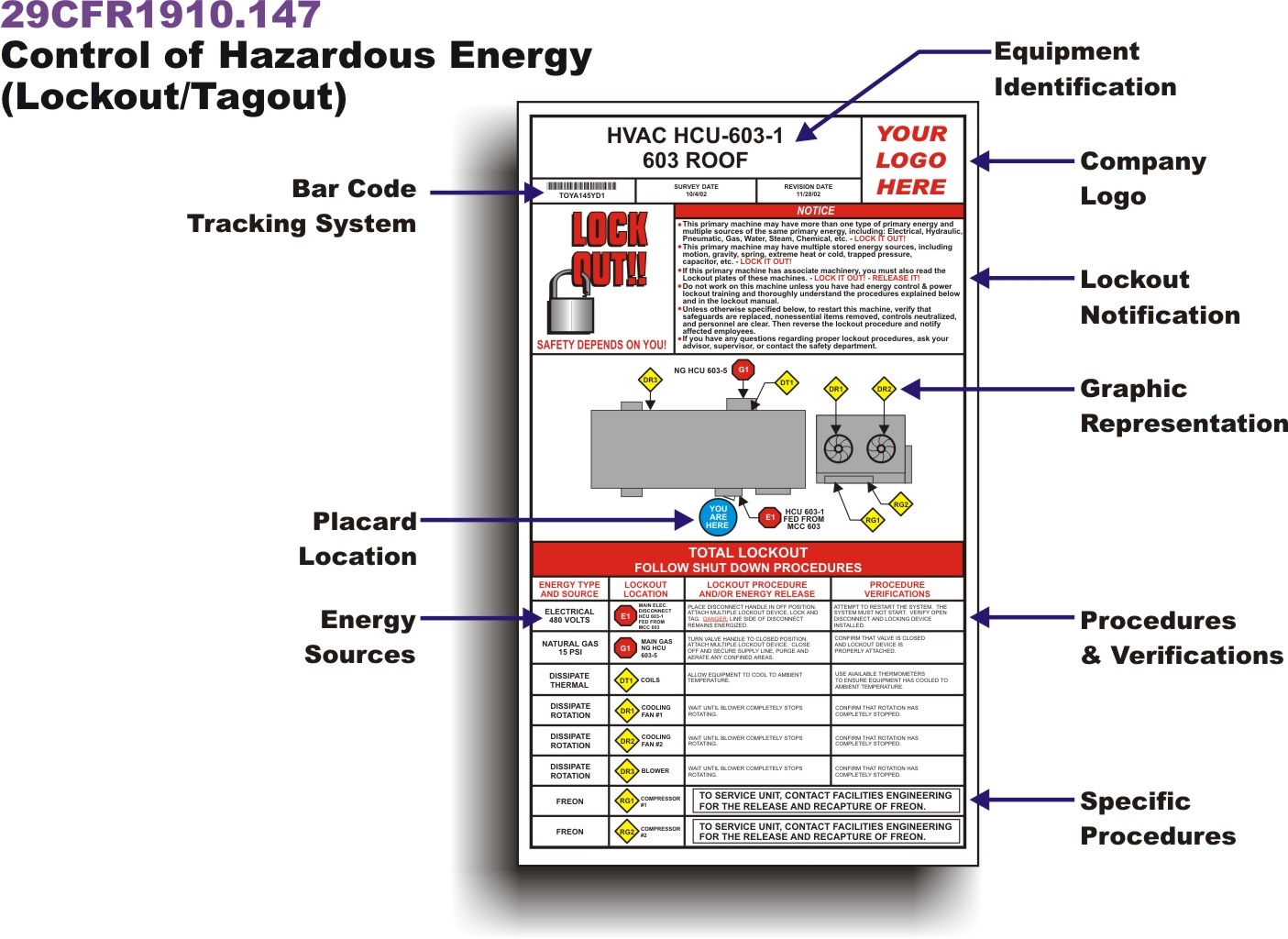
1. Equipment Identification
- Machine name, ID number, location
- Primary energy sources (electrical, hydraulic, mechanical, etc.)
- Secondary or stored energy risks
Example: A CNC press might list 480V electrical input, 120 psi pneumatic lines, and spring tension in the clamping mechanism.
2. Authorized Personnel
- Names or roles cleared to perform LOTO
- Required training certifications
- Supervisor approval step
This avoids delegation drift—where untrained staff assume responsibility during crunch time.
3. Step-by-Step Shutdown Sequence
This is the heart of the template. Steps must be: - Numbered - Specific (“Turn off breaker labeled ‘Main Press Feed’ at Panel B3”) - Sequential (no skipping ahead)
Avoid vague language like “isolate power.” Instead: > “Rotate disconnect switch to ‘OFF’ position and verify zero energy using a voltage tester.”
4. Lock and Tag Application
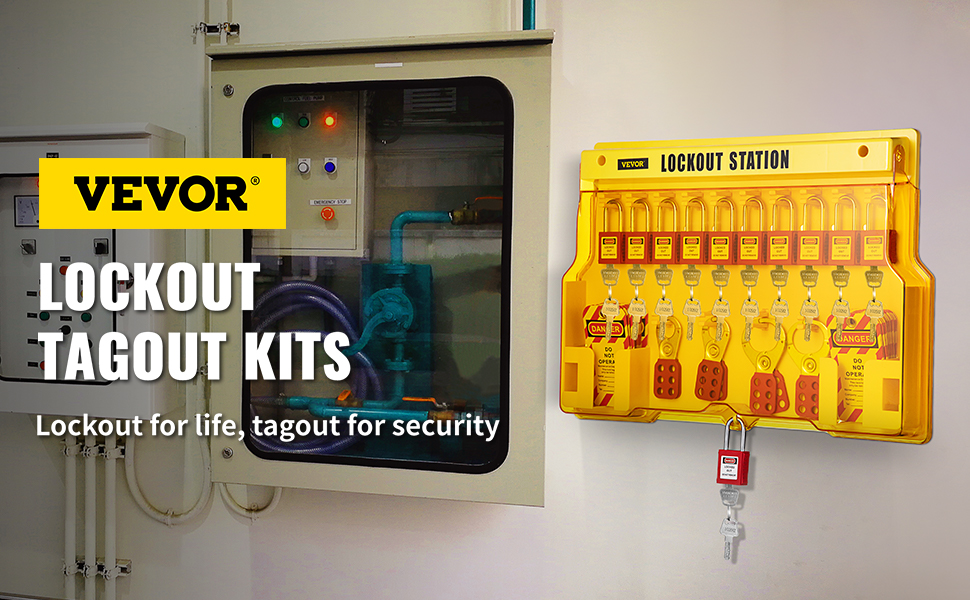
- Type of lock used (padlock, valve lockout, circuit breaker lock)
- Who applies it
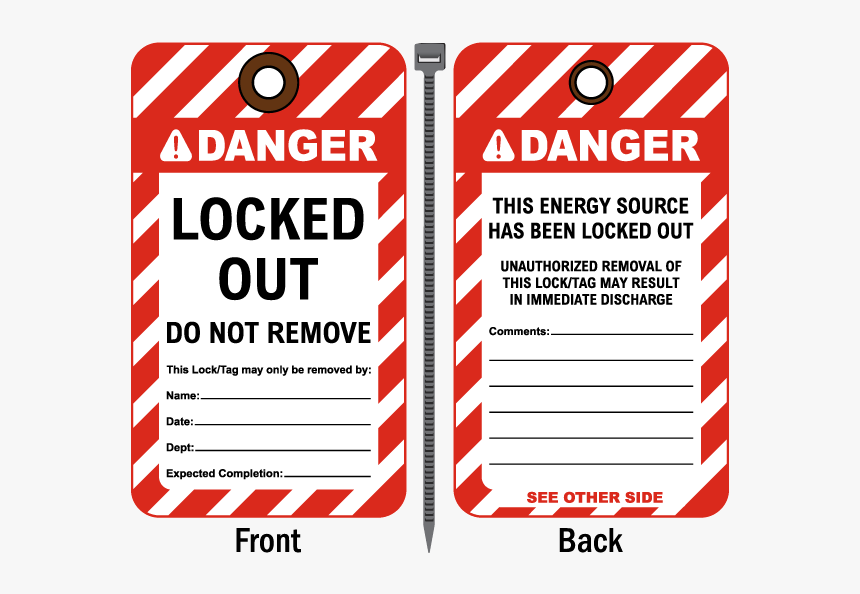
- Tag details: name, date, reason, contact
Each worker must apply their own lock. Group lockout boxes are acceptable, but individual accountability is non-negotiable.
5. Stored Energy Release
This is where most templates underperform. You must address: - Bleeding hydraulic lines - Depressurizing air tanks - Lowering suspended loads - Draining capacitors
Real mistake: A technician services a punch press, locks the main disconnect, but fails to release tension in the ram spring. The spring releases during service—crushing fingers.
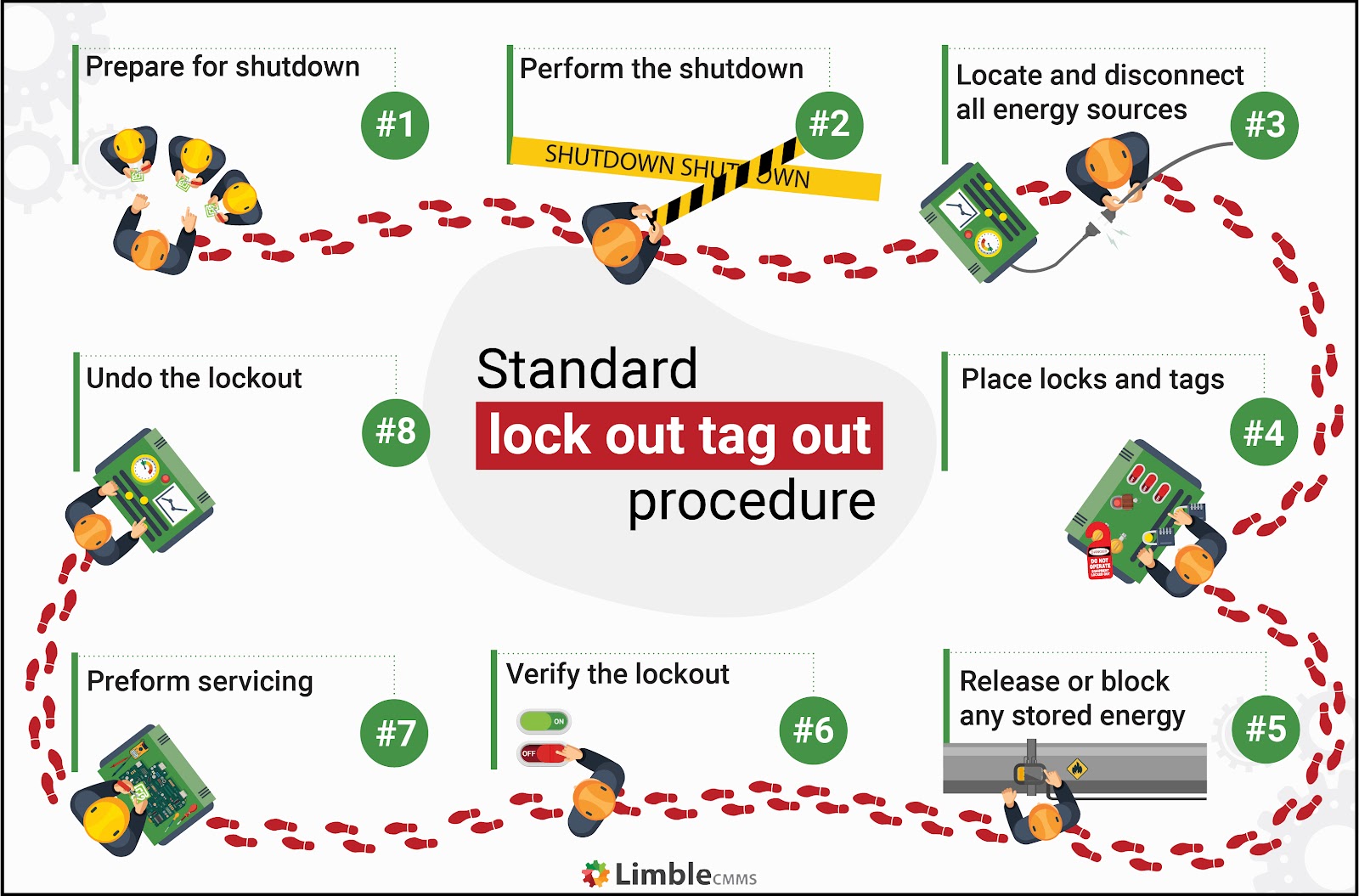
6. Verification of Zero Energy
Before work begins, someone must: - Attempt to start the machine (after ensuring it’s safe to do so) - Confirm no movement or energy response - Test with proper metering tools
This isn’t optional. It’s the final checkpoint.
7. Restoration and Restart
Many templates stop at maintenance. But restarting is just as risky.
Include: - Removal of tools and guards replacement - Notification to all affected employees - Lock removal by original owner only - Controlled startup under supervision
How to Customize Your LOTO Template for Actual Use
A real-world LOTO procedure isn’t drafted in an office. It’s built on the shop floor.
Step 1: Conduct a Machine Energy Audit Walk each machine with maintenance techs. Map every energy source, including: - Electrical panels - Fluid lines (with pressure ratings) - Gravity-based systems - Capacitors or flywheels
Use a digital camera. Add photos to the template so workers recognize exact valves and breakers.
Step 2: Involve the People Who Do the Work Maintenance staff know the quirks: “Breaker #4 sometimes back-feeds from the backup generator.” Include them in drafting. Their buy-in ensures compliance.
Step 3: Build a Living Document Treat your LOTO template as updatable. After each incident (even near-misses), revise the procedure. Add warnings like: > “Caution: Line 3B has delayed pressure bleed. Wait 10 minutes after shutoff.”
Common Mistakes That Undermine LOTO Procedures
Even with a solid template, execution fails due to human factors.
Mistake 1: One Lock for Multiple Workers Known as “master locking,” this violates OSHA 1910.147. Each worker must apply their own lock. If three people are working, there must be three locks.
Mistake 2: Using Tags Without Locks Tags are warnings. Locks are physical barriers. A tag can be ignored. A lock cannot—unless someone brings bolt cutters (which is a disciplinary issue).
Mistake 3: Skipping Verification Technicians “know” the power is off. So they skip testing. Then they reach in—and the machine cycles due to a control relay fault.
Verification isn’t bureaucracy. It’s the final truth check.
Mistake 4: Incomplete Stored Energy Management A forklift battery change goes wrong because the 36V system was “low” but still held enough charge to arc and burn.
Every energy form must be addressed—no exceptions.
5 Free and Paid LOTO Template Resources
Not all templates are created equal. Here are five reliable sources, with pros and cons:
| Resource | Type | Pros | Cons | |||||
|---|---|---|---|---|---|---|---|---|
| OSHA Standard 1910.147 Appendix A | Free (Gov) | Official guidance, legally recognized | Too generic, not machine-specific | |||||
| Grainger LOTO Template Generator | Free Tool | Interactive, exports PDF | Limited customization | |||||
| Creative Safety Supply | Free Download | Clean format, visual icons | Requires email signup | SafetySkills LOTO Module | Paid Software | Full workflow with training | Subscription-based, $$ | |
| EHS Insight | Paid Platform | Digital workflows, audit trails | Overkill for small teams |

For most mid-sized facilities, start with OSHA’s appendix, enhance it with Grainger’s layout, then customize using your energy audit findings.
When a Template Becomes a Liability
A LOTO procedure can do harm if it’s outdated or incorrect.
Case example: A plant uses a generic template for a boiler system. It lists only electrical isolation. But the boiler has gas lines and steam pressure. During servicing, a valve opens—releasing scalding vapor.
Now the company faces: - OSHA fines - Worker injury claims - Loss of safety credibility
Rule of thumb: If the machine changes, the template changes. No exceptions.
Audit all LOTO procedures: - Annually - After any near-miss or incident - When equipment is modified
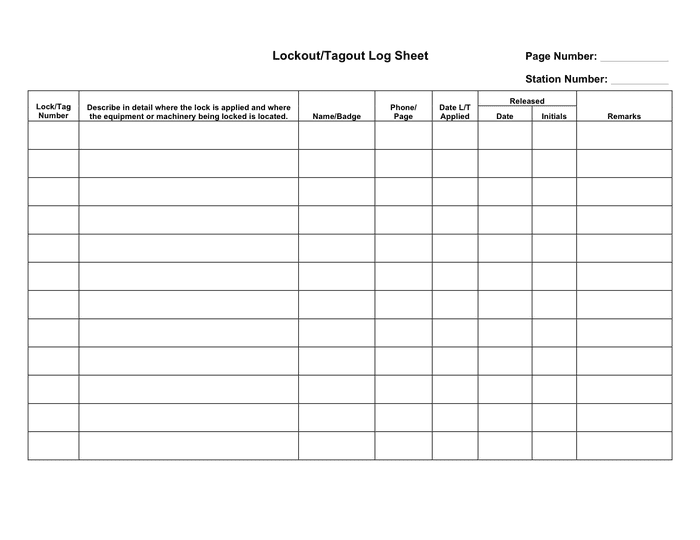
Use a revision log: date, change, author, approver.
Integrating LOTO Templates Into Daily Operations
A template on a shelf does nothing. It must be operational.
Digital Access Printed binders get lost. Use:
- QR codes on machines that link to digital LOTO procedures
- Tablets in maintenance carts
- CMMS (Computerized Maintenance Management Systems) with embedded LOTO steps
Training Reinforcement New hires often learn LOTO from a PowerPoint. Better:
- Shadow a senior tech using the actual template
- Perform a mock lockout with feedback
- Repeat annually with refreshed scenarios
Audits That Matter Don’t just check “is there a template?” Ask:
- Is it being used?
- Is it up to date?
- Does it match the machine?
Surprise audits work better than scheduled ones.
Build a Template That Works—Then Use It
A lockout tagout procedure template isn’t a compliance formality. It’s a lifesaving protocol. But only if it’s accurate, accessible, and actively followed.
Start with a proven structure. Customize it with real machine data. Train your team to use it—not just read it. Audit relentlessly.
The best template in the world won’t stop an accident. But a used template—one that’s specific, clear, and respected—can.
Equip your team with more than paper. Give them a system they can trust.
What should a lockout tagout procedure template include? A complete template includes machine details, energy sources, step-by-step shutdown, lock/tag application, stored energy release, verification steps, and restart procedures.
Can I use the same LOTO template for multiple machines? Only if the machines are identical in design and energy sources. Otherwise, customize each template to the specific equipment.
Who should develop the LOTO procedure? Authorized employees trained in energy control, with input from maintenance staff who service the equipment.
How often should LOTO procedures be reviewed? Annually, or after any equipment modification, incident, or near-miss.
Are digital LOTO templates acceptable? Yes, if they are accessible at the point of use, secure from unauthorized changes, and include all required elements.
Do all employees need to be trained on LOTO? Only authorized employees perform lockout. But affected employees (those who operate or use the equipment) must understand the process and their role.
What happens if a worker loses their lock key? The lock must be removed under a controlled procedure—usually by a supervisor using bolt cutters, documented with a report and retraining.
FAQ
What should you look for in Lockout Tagout Procedure Template: A Complete Guide? Focus on relevance, practical value, and how well the solution matches real user intent.
Is Lockout Tagout Procedure Template: A Complete Guide suitable for beginners? That depends on the workflow, but a clear step-by-step approach usually makes it easier to start.
How do you compare options around Lockout Tagout Procedure Template: A Complete Guide? Compare features, trust signals, limitations, pricing, and ease of implementation.
What mistakes should you avoid? Avoid generic choices, weak validation, and decisions based only on marketing claims.
What is the next best step? Shortlist the most relevant options, validate them quickly, and refine from real-world results.