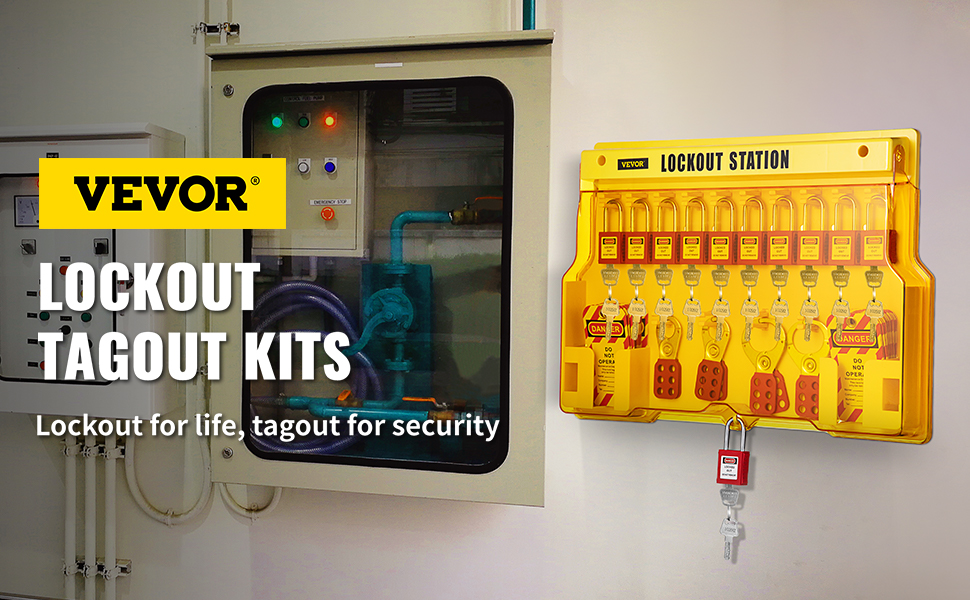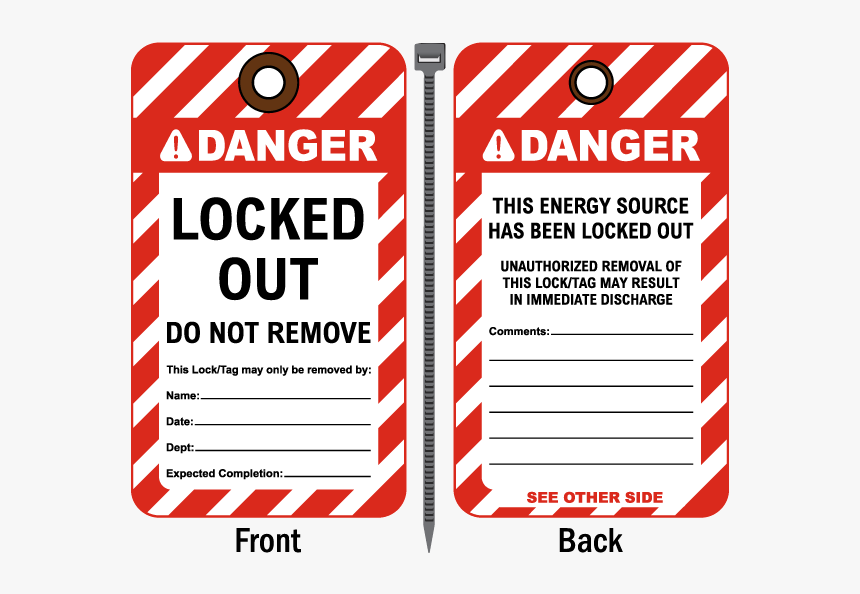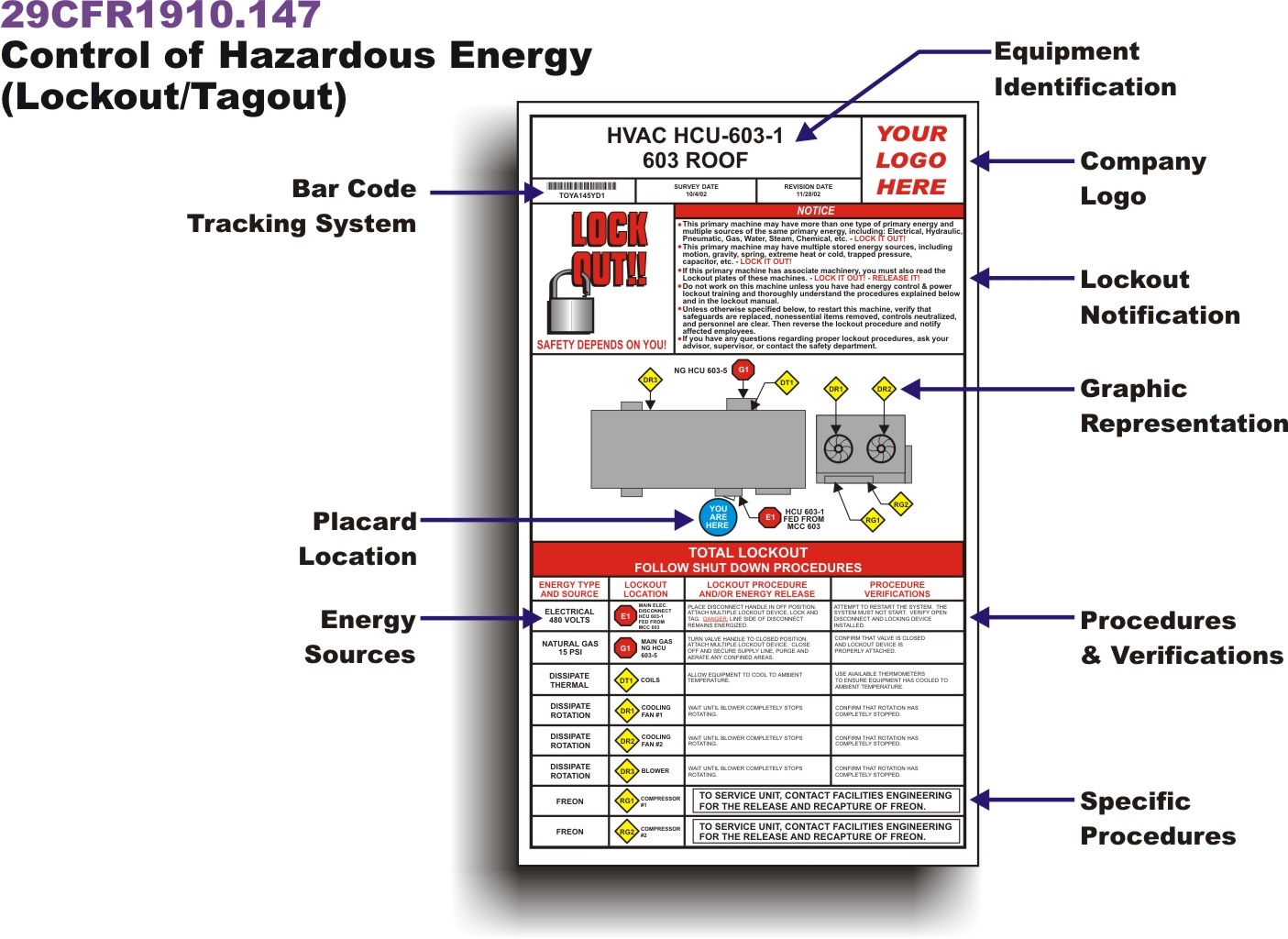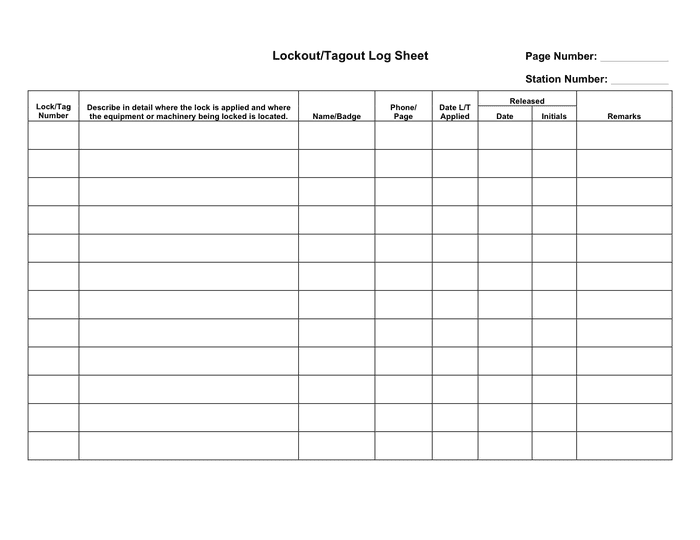
Every industrial accident caused by unexpected machine startup traces back to a missing or mismanaged step in energy control. At the heart of a strong Lockout/Tagout (LOTO) program lies a simple but critical document: the lockout tagout log form. It's not just paperwork—it’s a legal record, a communication tool, and a frontline defense against injury.
Despite its importance, many organizations treat the LOTO log as an afterthought—filled out late, inaccurately, or not at all. This article breaks down what a lockout tagout log form is, why it matters, how to use it correctly, and what pitfalls to avoid in real operations.
What Is a Lockout Tagout Log Form?
A lockout tagout log form is a standardized document used to record each instance when energy-isolating devices—like circuit breakers, valves, or disconnect switches—are locked or tagged during servicing or maintenance.
It’s not the lock or tag itself. It’s the paper or digital trail that verifies who locked the equipment, when, why, and when it was safely re-energized.
Key Elements of a Standard LOTO Log Form
Every effective log includes these core fields:
- Date and time of lockout initiation and removal
- Equipment ID or name (e.g., "Conveyor Line 3")
- Employee name and role (authorized employee performing lockout)
- Type of energy controlled (electrical, hydraulic, pneumatic, etc.)
- Lock/tag ID numbers used
- Nature of maintenance work
- Verification of isolation (how zero energy was confirmed)
- Clearance and restart authorization
Without these, the log loses legal and operational credibility.
Why the LOTO Log Isn’t Optional
The lockout tagout log form isn’t just internal documentation. It’s a compliance requirement under OSHA 29 CFR 1910.147. This regulation mandates that employers have a documented energy control program—including periodic inspections and written procedures.
Real Consequences of Skipping the Log
Imagine a maintenance tech locks out a hydraulic press at 8:00 a.m. to replace a seal. He’s interrupted, leaves the floor, and forgets to remove his lock. Another worker sees the machine is idle, assumes it’s safe, and restarts it remotely—nearly crushing the technician when he returns.
With a proper log in place: - Supervisors can see which machines are under maintenance - Other workers can check active lockouts before re-energizing - Auditors can trace accountability
In investigations after incidents, OSHA checks the LOTO log first. Missing or incomplete logs equate to citations—often in the tens of thousands of dollars.
Common Mistakes That Undermine LOTO Logs
Even companies with forms in place often get it wrong. Here are the most frequent missteps:
1. Filling Out the Log
After the Fact Post-completion logging is dangerous. It opens the door to inaccuracies. The log must be completed at the time each step occurs.

Example: A technician performs five lockouts during a shift and fills out all entries at day’s end. He misremembers the order and omits a co-worker’s tag. That omission creates a blind spot in the system.
2. Vague Equipment Descriptions Writing “machine in east bay” instead of “Packaging Line 2 – Motor Drive Unit A” is a compliance red flag.
Be specific. Use asset numbers, location codes, and system identifiers.
3. Missing Verification Steps Logs that skip the “energy isolation verified” field are incomplete. This is where the authorized employee confirms the equipment cannot start—by trying to activate it after lockout.
Without proof of verification, the lockout is considered ineffective.
4. Allowing Blank Fields Partially filled forms are useless. Every required field must be completed. Use digital systems or training to enforce discipline.
When and How to Use the LOTO Log
The log isn’t for every minor task. It’s required whenever servicing exposes workers to unexpected energization or release of stored energy.
Use Cases That Require a LOTO Log
| Scenario | Requires Log? | Why |
|---|---|---|
| Replacing a motor on a conveyor | Yes | Involves disassembly near moving parts and electrical systems |
| Cleaning a jammed feeder | Yes | Requires access inside guarded areas |
| Routine calibration not requiring access to hazardous parts | No | No exposure to hazardous energy |
| Changing blades on a saw | Yes | Direct contact with cutting mechanism and power source |
OSHA defines "servicing and maintenance" broadly. When in doubt, use the log.
Step-by-Step Use of the LOTO Log
- Prepare: Identify equipment, energy sources, and required locks/tags
- Notify affected staff about upcoming shutdown
- Shut down equipment using normal stopping procedures
- Isolate energy sources (turn off breakers, close valves)
- Apply lockout devices and tags
- Complete LOTO log with employee name, time, lock IDs, and work details
- Verify isolation by attempting to restart (then re-lock)
- Proceed with maintenance
- After work, verify completion, remove tools
- Clear the area, then remove locks and log restart time
The log stays active until all locks are removed and equipment is back online.
Digital vs. Paper LOTO Logs: What Works Best?
While OSHA doesn’t require digital logs, the shift toward electronic systems is accelerating—especially in complex or multi-site operations.
Paper Logs: Pros and Cons
Pros: - Low cost, no tech required - Simple to use in basic environments
Cons: - Prone to loss, damage, or tampering - Hard to audit or search - Delayed visibility for supervisors
Digital LOTO Logs: Pros and Cons
Pros: - Real-time tracking of active lockouts - Automatic timestamps and user authentication - Integration with CMMS or EAM systems - Instant alerts if a machine is scheduled to restart

Cons: - Requires training and infrastructure - Dependent on device availability and connectivity
Real-World Insight: A food processing plant reduced LOTO-related near-misses by 70% after switching to a digital log with mobile access. Supervisors could instantly see lockout status across 12 production lines.
For most mid-to-large operations, digital is the smarter long-term play.
Top 5 LOTO Log Form Solutions Whether paper or digital, the right tool makes all the difference. Here are five reliable options:
| Solution | Type | Key Features | Best For |
|---|---|---|---|
| EHS Insight | Digital Platform | Mobile LOTO logging, audit trails, OSHA reporting | Multi-site manufacturers |
| FACILITeCH LOTO | Software | Lock management, digital forms, photo capture | Facilities with high maintenance volume |
| Lockout/Tagout Pro by Seton | Printable Templates | OSHA-compliant fields, customizable | Small businesses using paper |
| SafeSite Facility | Mobile App | Real-time log sharing, QR code scanning | Contractors and field teams |
| Custom Internal Forms (Google Forms, SharePoint) | DIY Digital | Free, flexible, integrable | Organizations with IT support |
Choose based on scale, compliance needs, and workforce mobility.
How to Audit Your LOTO Log System
OSHA requires at least annual inspections of energy control procedures. The log form is central to this process.
What an Effective Audit Checks
- Are logs completed in real time?
- Do entries match the number of locks in use?
- Is verification of isolation documented?
- Are old log entries retained (minimum one year)?
- Are inconsistencies corrected with follow-up training?
Pro Tip: Conduct “surprise” log audits quarterly. Pick a random maintenance event and cross-reference the log with work orders, lock inventories, and shift records.
If the log doesn’t align, your program has a gap.
Making the LOTO Log Work in Real Operations
The best form is useless without culture and discipline.
Workflow Tips for Reliable Logging
- Assign log responsibility to the authorized employee—not a supervisor or clerk
- Keep forms near equipment or in mobile apps—never locked in an office
- Train on common errors using real (anonymous) log examples from past incidents
- Review logs during safety meetings to reinforce accountability
- Automate reminders in digital systems when a lockout exceeds expected duration
One plant implemented a “log buddy” system: two technicians cross-check each other’s entries before starting work. Error rates dropped to zero within six months.
Final Thoughts: Treat the LOTO Log Like a Safety Contract
A lockout tagout log form is more than a compliance checkbox. It’s a living record of trust between workers, teams, and management. Every signature, timestamp, and lock ID is a promise: This machine is not safe. Do not start it.
When filled correctly, it prevents tragedies. When ignored, it enables them.
Start today: audit your current log process, eliminate blank or retroactive entries, and ensure every authorized employee treats the form with the seriousness it deserves.
Your team’s safety depends on the details you document today.
Frequently Asked Questions
What is the OSHA requirement for LOTO log retention? OSHA requires documented periodic inspections of LOTO procedures at least annually. While not specific about log retention, best practice is to keep logs for at least one year for audit and incident investigation purposes.
Can multiple workers use the same LOTO log entry? No. Each authorized employee must apply their own lock, tag, and log entry. Group lockout procedures may use a master log, but individual accountability must still be recorded.
Who is responsible for filling out the LOTO log? The authorized employee performing the servicing or maintenance is responsible for completing the log at the time of lockout.
Does every maintenance task need a log entry? Only tasks that involve servicing or maintenance where unexpected energization could cause injury require a LOTO log.
Can a digital LOTO log replace a physical tag? No. Digital logs support the process, but physical locks and tags must still be applied to energy-isolating devices.
Should contractors use your LOTO log? Yes. Outside contractors must follow your company’s LOTO procedures and use your log forms—ensuring continuity and safety.
What happens if a log entry is missing? Missing entries invalidate the lockout procedure. OSHA may cite the employer for non-compliance, and internal reviews should trigger retraining.
FAQ
What should you look for in Lockout Tagout Log Form: Essential Guide for Compliance? Focus on relevance, practical value, and how well the solution matches real user intent.
Is Lockout Tagout Log Form: Essential Guide for Compliance suitable for beginners? That depends on the workflow, but a clear step-by-step approach usually makes it easier to start.
How do you compare options around Lockout Tagout Log Form: Essential Guide for Compliance? Compare features, trust signals, limitations, pricing, and ease of implementation.
What mistakes should you avoid? Avoid generic choices, weak validation, and decisions based only on marketing claims.
What is the next best step? Shortlist the most relevant options, validate them quickly, and refine from real-world results.